
Haircut Regret: Why It Happens and How to Avoid It
Haircut regret is real. See why people regret cutting their hair short, what Reddit users honestly say, and how to preview a short cut before you commit.
The scissors stop. The cape comes off. You look in the salon mirror and feel your stomach drop. The hair you loved is on the floor. The person in the mirror looks like a stranger.
If this has happened to you, you are not dramatic and you are not alone. Haircut regret is one of the most shared experiences in every hair community on the internet. Search "regret cutting hair" on Reddit and you will find thread after thread, year after year.
The good news is that haircut regret follows a pattern. Once you see the pattern, you can dodge most of it. This guide explains why the regret happens, what it usually costs, and the simple check that prevents it.
Haircut Regret Is More Common Than You Think
Start with the honest record. In a popular r/longhair thread titled "Those of you who cut your hair short, did you regret it?", the top answer is telling. One user wrote that they always love a short cut for about a week. Then the regret arrives and they start growing it out again.
Another user in the same thread shared the opposite. They went from hip-length to a chin-length long bob and did not regret it for a single day. They kept the bob for two years.
Over on r/Hair, a user asked "Did anyone regret cutting their hair really short?" The answers were raw. "Yes, I did it twice and cried both times," one person wrote. Their broad shoulders and the short cut never made peace.
So the record is mixed. Some people feel free after a big chop. Others mourn. The difference between the two groups is rarely luck. It comes down to how the decision was made.
Big chops are a huge spectacle on YouTube too. MSA's story "I Cut Off My Crazy Long, Shiny Hair to Change My Life" has drawn more than 12 million views. Watch it here. Brad Mondo's reaction video to long-to-short transformations has over 2 million views. See it here.
Why Cutting Your Hair Short Can Trigger Regret
Regret after a haircut is not vanity. It has real psychological roots.
Your hair is tied to your identity. Length, color, and texture become part of how you see yourself. A dramatic cut changes the face in the mirror overnight. Your eyes need time to catch up with the scissors.
The brain weighs losses heavier than gains. Psychologists call this loss aversion. The inch you keep never feels as big as the ten inches you lost. The same cut can be a thrill for one person and a loss for another.
The reference photo gap does real damage. You bring a photo of a celebrity bob. Your stylist copies the shape. But the photo showed thick, dense, salon-styled hair. Yours is finer and air-dried. The cut matches the picture. The result does not match the face. This mismatch is the number one recipe for hating a new cut.
Fresh cuts look different, not finished. A new short shape often sits stiff for the first week. It has not learned your wash schedule or your part yet. First impressions of a cut are often unfair impressions.
The Impulse Trap
There is one more trigger worth naming. Change itself feels good. A dramatic haircut delivers an instant, visible proof that you did something. That rush is real, and it is strongest exactly when your judgment is weakest.
Look at the pattern in the stories people tell. The breakup haircut. The 1 a.m. bathroom scissors. The "I saw a video and booked a chair in ten minutes" cut. YouTuber Ava Jules documented her own version in a video about impulsively cutting her hair at 1 a.m., and it has around 290,000 views. Watch it here. The comment sections under these videos are full of people describing the same night.
The rule of thumb that survives every thread: sleep on the decision twice. Excitement that lasts two weeks is a preference. Excitement that lasts two hours is a mood. A mood with scissors is how haircut regret gets manufactured.
The Real Cost of a Bad Cut: Time
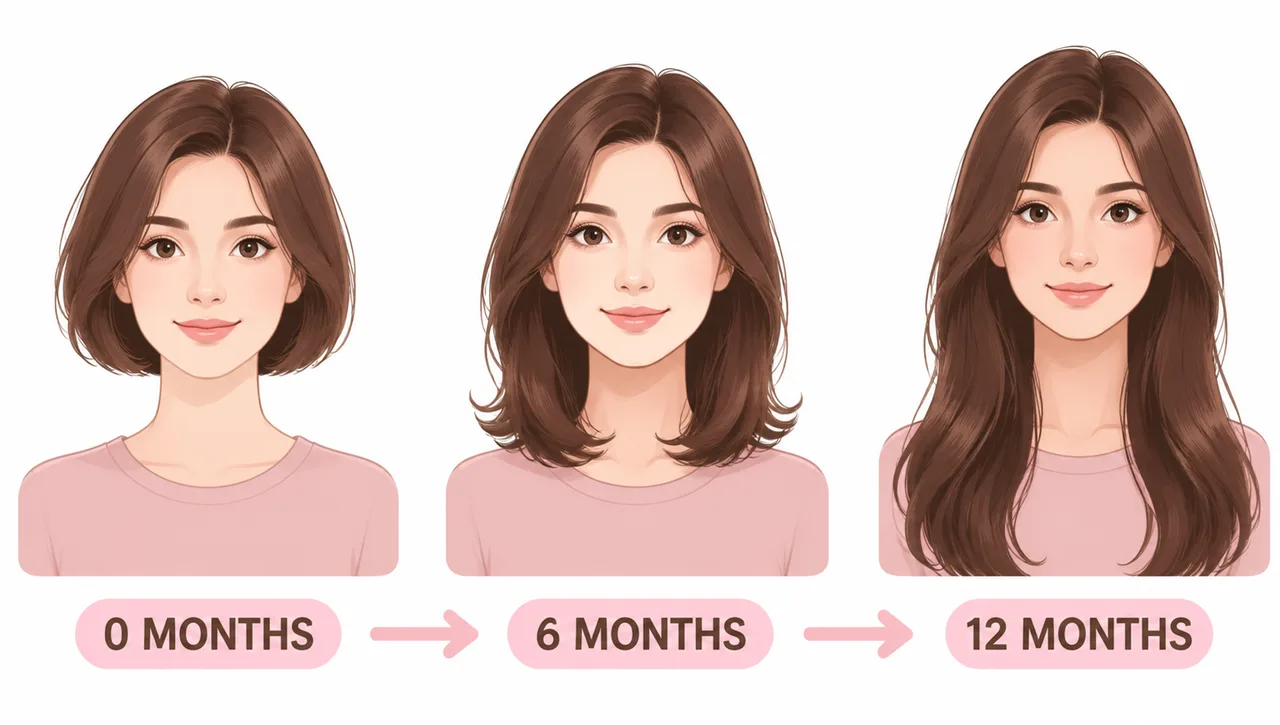
Hair is not fabric. You cannot sew it back. The only fix for a truly unwanted cut is patience.
Hair grows about half an inch per month, or roughly six inches per year, according to Verywell Health. Nothing you do at home meaningfully changes that speed.
Run the math on a regretted chin-length bob. Chin to shoulder is often eight to ten inches of growth. That means a year or more of awkward stages, pins, and headbands before the length returns. Shoulder to mid-back takes another two years on top.
Time is not the only cost. There is also the emotional tax of catching the mirror mid-transition. Every grow-out has months where the cut is between identities. People describe checking photos of their old hair like checking an ex's profile. Knowing that wall exists in advance changes how it feels when you hit it.
There is an upside worth stating plainly. Plenty of people cut short, love it, and never look back. The r/longhair user who kept a chin-length bob for two years is the proof. The cost of time only becomes a tragedy when the decision that started it was rushed.
This is why prevention beats every cure. A preview that costs you ten minutes can save you twelve months.
How to Avoid Haircut Regret Before the First Snip
Use this five-point checklist before you book the appointment. Glam Girl Gabi made a popular video on exactly this decision with over 730,000 views. Watch "If You Cut Your Hair Before Watching This".
- Name the reason you want the change. "I want less styling time" leads to a great cut. "I had a bad week" leads to a rash one. Emotional chops feel powerful for a day.
- Match the shape to your face. A bob that suits a heart face can swallow a round one. Our face shape guide walks you through the match in three steps.
- Check the maintenance math. Short styles often need more styling, not less. Blunt bobs ask for regular trims and daily shaping. Fine hair can go flat at short lengths.
- Show your own face, not a celebrity's. Bring reference photos of cuts on faces like yours. Even better, bring a preview of the cut edited onto your own photo.
- Preview the cut first. Use an AI haircut try-on tool before you commit. Upload a selfie. See the exact cut on your own face. Regret dies in the preview stage where it costs nothing.
One r/Hair user in that regret thread asked the perfect question. "How will I know if I can pull off that hairstyle?" That question is the whole game. A preview answers it before the scissors do.
You Already Cut It: How to Deal With the Regret
Maybe you skipped this article by a week. Here is the recovery plan.
Give it two honest weeks. Style it three different ways before you judge it. Most cuts settle and so does the shock. The mirror catches up with the scissors.
Fix the shape, not the length. A good stylist can soften a bad bob with invisible adjustments. Sometimes one inch and some face-framing layers changes everything.
Use the grow-out window. Pins, headbands, and claw clips are your friends. The pixie-effect documentary by Bryony Claire covers the full emotional arc of short hair with over 460,000 views. Watch it here.
The Grow-Out Survival Kit
Every regrowth journey hits the same four walls. Here is the gear that gets people through them.
- Week 2 to 8: the stiff shape. A light styling cream softens sharp lines. Blow-dry the front away from your face to break the "just cut" look.
- Month 2 to 4: the ear tuck phase. The sides are too long to lie flat and too short to tuck. Bobby pins and small claw clips fix this in seconds. Metal-free elastic rings make a half-up style hold without dents.
- Month 4 to 8: the mullet-ish stretch. Face-framing layers bridge the gap. One interim trim that shapes the growing cut is not lost progress. It is a scheduled pivot.
- Month 8 and beyond: the home stretch. Length returns at the shoulders first. A silk pillowcase and a wide-tooth comb keep the ends you waited for.
People who plan the grow-out report something surprising. The journey itself becomes the fun part. Milestones replace mourning.
Feed the growth. Keep the ends healthy while length returns. Trims that remove damage are not setbacks. They are progress with a calendar.
Preview the next move. Growing out has awkward stages too. Preview the mid-length shapes on your photo and pick a destination. A journey with a target feels completely different from a wait.
FAQ
Will I regret cutting my hair short?
Nobody can promise you will not. The honest pattern: regret usually comes from impulse cuts, celebrity reference photos, and ignoring maintenance. Preview the cut on your own face first and the risk drops hard.
How long does haircut regret last?
The shock phase usually fades within two weeks. If the cut truly does not suit your face, the practical fix is restyling or growing it out with a plan.
How do I know if short hair suits me?
Check your face shape and hair texture, then preview the short cut on your photo. Our 3-step guide covers the full process.
Does hair grow faster after you cut it?
No. That is a myth. Hair grows about half an inch per month no matter the length of the cut, per Verywell Health.
Should I cut my hair short right before a big event?
Give yourself at least two weeks before weddings, photos, or interviews. Fresh cuts need a settling period. You want the version of the cut you have practiced styling, not the day-one version.
The Short Version
Haircut regret is common, real, and mostly preventable. It grows from identity shock, loss aversion, and reference photos that never matched your face. The cure is a ten-minute preview before a ten-month grow-out.
See any cut on your own face first with our AI haircut try-on. Your future self will thank you at the salon mirror.